
Mind, Breath & Sleep
Year-End Burnout: Why December Feels So Heavy, and How to Close the Year Well
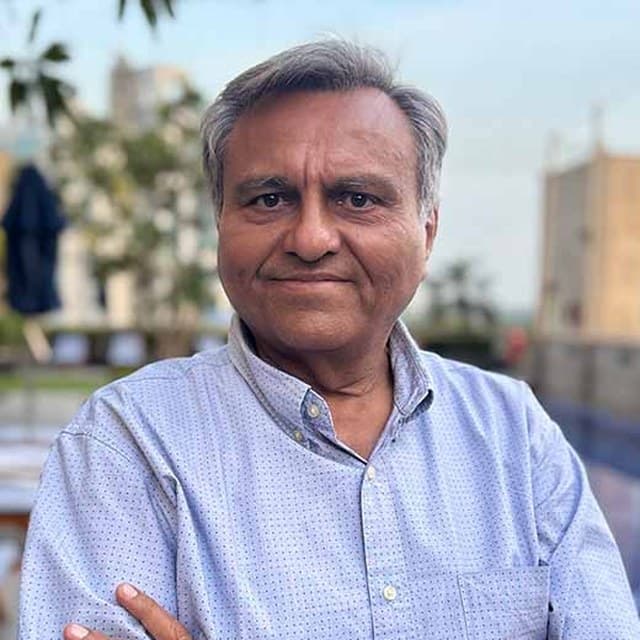
By Rajesh Chada · Founder & CMD, The Ushmaya
23 November 2026 · 6 min read

In short
Year-end burnout is the accumulated exhaustion of a full year meeting December's extra demands — targets, appraisals, social events and travel. The WHO describes burnout as exhaustion, mental distance from work and reduced effectiveness. Recovery needs fewer commitments, protected sleep, daily nervous-system downregulation and a genuine break, not a busier holiday.
There is a particular kind of tired that arrives in the last six weeks of the year. It's not the clean tiredness of a long day. It's heavier, flatter, and it comes with a short temper, a faint dread of the inbox, and a feeling that you're doing everything slightly worse than you used to.
If that sounds familiar, you are not imagining it, and you are not weak. You are at the end of a year, and December is asking you for more than any other month.
What burnout actually is
The World Health Organization describes burnout as the result of chronic workplace stress that hasn't been successfully managed, with three dimensions:
- Exhaustion — energy depletion that sleep doesn't fix
- Mental distance — cynicism, detachment, or growing negativity about your work
- Reduced effectiveness — feeling less capable and getting less done
Tiredness on its own isn't burnout. All three together, for weeks, usually is.
Why December is the pile-up month
Burnout rarely has one cause at the end of the year. It's a pile-up:
- Work closes. Targets, budgets, year-end reporting, appraisals.
- Social season peaks. Festivals behind you, weddings and parties ahead.
- Travel and family. Long journeys and full houses.
- The days are short. Less daylight, worse sleep, less movement.
- The whole year is in your body. Eleven months of load, with the reserves at their lowest.
It's the same arithmetic as anything else: the most demand at the moment of least capacity.
The signs to take seriously
- you wake up tired after a full night
- Sunday evenings bring a sinking feeling
- small things make you disproportionately irritable
- concentration has gone — you reread the same email three times
- you are leaning harder on coffee, sugar, alcohol or your phone
- you've stopped seeing friends, or dread it
- sleep is light and broken, with 3am waking
- headaches, a tight jaw, digestive trouble
None of these on their own is alarming. A cluster of them, persisting, is your nervous system telling you it has been in fight-or-flight for too long. I explain the physiology in the vagus nerve, explained.
A plan for December: drop before you add
The instinct when you're exhausted is to add something — a new app, a supplement, a 5am routine. Don't. Start by taking things away.
Week one — subtract.
- Cancel, delegate or postpone three December commitments. Social ones count.
- Pick the two work deliverables that genuinely matter before year-end. Let the rest be "good enough".
- Turn off non-essential notifications.
Week two — protect sleep.
- A fixed wake-up time, including weekends.
- Twenty minutes of outdoor morning light.
- Dinner early, screens away an hour before bed.
Week three — downregulate daily.
- Ten minutes a day of slow breathing: in through the nose for four, out for six.
- One walk a day without your phone.
- One evening a week with nothing planned.
Week four — plan the break properly. Which brings us to holidays.
Why a busy holiday doesn't help
Many people "recover" from a punishing December with a holiday that is just as demanding: three cities in six days, early flights, packed itineraries, a full social calendar. They come back more tired than they left.
The nervous system doesn't care whether the stimulation is pleasant or unpleasant. What it needs is fewer decisions, less stimulation, more sleep and more stillness — for long enough that it actually stands down, which usually takes two or three days. I've described that process in what happens in the first 72 hours of a digital detox.
| The holiday that drains | The break that restores |
|---|---|
| Several destinations | One place |
| Packed itinerary | Mostly unscheduled |
| Late nights, early flights | Regular sleep and wake times |
| Rich food, alcohol daily | Simple, regular meals |
| Always online | Long stretches offline |
| Constant company | Some real solitude |
How Ayurveda sees burnout
Ayurveda has no single word for burnout, but it recognises the picture well. Long periods of overwork, irregular meals, too little sleep and constant stimulation are described as aggravating vata — the principle of movement — and depleting ojas, the essence of vitality and resilience.
The symptoms it associates with that state will sound familiar: a racing, scattered mind in a tired body; light, broken sleep; anxiety and irritability; erratic appetite and digestion; dry skin; feeling cold; and a sense of running on nervous energy rather than real strength.
Its response is notably undramatic:
- Regularity. Meals, sleep and waking at the same times each day. For a vata-depleted system, routine is itself a medicine.
- Warmth and nourishment. Warm, cooked, slightly oily food; nothing cold, dry or skipped.
- Oil. Daily abhyanga, especially on the feet and scalp.
- Less input. Fewer screens, fewer conversations, fewer decisions.
- Rest that is actually rest. Practices like Yoga Nidra rather than another series on the sofa.
None of this is exotic. That's the point — it's the opposite of the conditions that produced the exhaustion.
Planning the January break
If you know December will be hard, plan the recovery now rather than hoping for it.
Book it before you need it. A break you've already booked is one you'll actually take. A break you'll "sort out after the year-end close" tends to become February, then never.
Take it early in January. The first fortnight of the year is often quieter, and recovering then sets the tone for the months that follow.
Choose rest over novelty. One place, simple days, early nights. Save the adventure trip for when you have energy to enjoy it.
Tell people. An out-of-office that genuinely means it, and a colleague who can handle urgent matters, are part of the treatment.
When to get proper help
Burnout is common and usually recoverable, but it can overlap with depression and anxiety. See a doctor or mental health professional if:
- you feel hopeless or persistently low for more than two weeks
- you can't function at work or at home
- you are using alcohol or other substances to cope
- you have any thoughts of harming yourself — in that case, seek help immediately
A retreat is not a substitute for that care.
Where a retreat fits
What a residential programme can do is the restorative half of recovery: sleep, a calmer nervous system, real food, time without screens, and practices you'll actually keep. It won't change your job; it can give you the clarity to change how you do it.
A weekend helps with acute exhaustion. A week is more honest for established burnout — our Digital Detox & Stress Recovery programme runs seven nights, and most guests notice sleep and calm improving within two or three days. The 7-Day Deep Healing Retreat is the broader option.
If the last weeks of the year are already looking impossible, the first week of January is a very good time to stop. Talk to us about what you're dealing with, and we'll help you work out what kind of break you actually need.
Key takeaways
- Burnout has three marks: exhaustion, growing cynicism or distance from your work, and feeling less effective. Tiredness alone isn't burnout; all three together usually is.
- December is a pile-up, not a single cause — closing targets, appraisals, festive and wedding season, travel, short days and a year of accumulated load.
- Drop before you add. Cancel or delegate three December commitments before you try any wellness practice.
- Protect sleep and do ten minutes of slow breathing a day. Both work directly on the stress response.
- A holiday that is just as busy as work doesn't restore anything. The break that helps has fewer decisions in it, not more destinations.
Frequently asked
What is burnout?
The World Health Organization describes burnout as an occupational phenomenon resulting from chronic workplace stress that hasn't been successfully managed. It has three dimensions: feelings of energy depletion or exhaustion, increased mental distance from or cynicism about one's job, and reduced professional effectiveness.
Why do I feel more burnt out at the end of the year?
Because December stacks extra demands onto a year of accumulated fatigue: closing targets and budgets, performance reviews, festive and wedding events, travel and family obligations, all in short, dark days. The load peaks just as reserves are lowest.
What are the signs of burnout?
Persistent exhaustion that sleep doesn't fix, dreading work, irritability and cynicism, trouble concentrating, feeling less capable, withdrawing from people, poor sleep, headaches or digestive trouble, and leaning more on caffeine, sugar, alcohol or scrolling to get through the day.
How long does it take to recover from burnout?
It varies widely. A few days of real rest can ease acute exhaustion, but recovering from established burnout usually takes weeks to months and involves changing the conditions that caused it, not just taking a break. If you feel hopeless, low for weeks, or unable to function, see a doctor or mental health professional.
Can a wellness retreat help with burnout?
It can help with the recovery part: sleep, nervous-system downregulation, removing stimulation and learning practices you can keep. A week is more useful than a weekend. It won't fix the working conditions that caused the burnout, so it works best alongside honest changes when you return.
Written by
Rajesh Chada
Founder & CMD, The Ushmaya
Rajesh is the founder of The Ushmaya and the reason Kneipp hydrotherapy exists in India. He writes about water cure, Ayurveda and what genuine healing asks of you.
About Rajesh→A note on medical advice. This article is written for general understanding and is not a diagnosis or a treatment plan. Hydrotherapy, Panchakarma and fasting protocols are powerful and are not appropriate for everyone — particularly during pregnancy, or with cardiac, renal, circulatory or acute conditions. Every therapy at Ushmaya is prescribed after a consultation with our resident physicians. Please speak to your own doctor before changing how you treat a diagnosed condition.